🌟 Building Leaders, Strengthening Teams, Creating Belonging! 🌟
The VIP model is a practical coaching approach designed to strengthen team culture, peer support, and shared leadership in youth sport. It introduces simple, rotating roles that help athletes support each other and feel more connected. You can explore the VIP model and practical guidance in the JOY IN SPORT Educational Pack.
This example illustrates how sport clubs can use the VIP model to support team culture and athlete development in practice. TuTo’s Captain School combines shared leadership, peer support, and structured interaction between athletes to strengthen communication, inclusion, and responsibility within teams. It offers a simple and adaptable approach that can be applied across different sports and age groups.
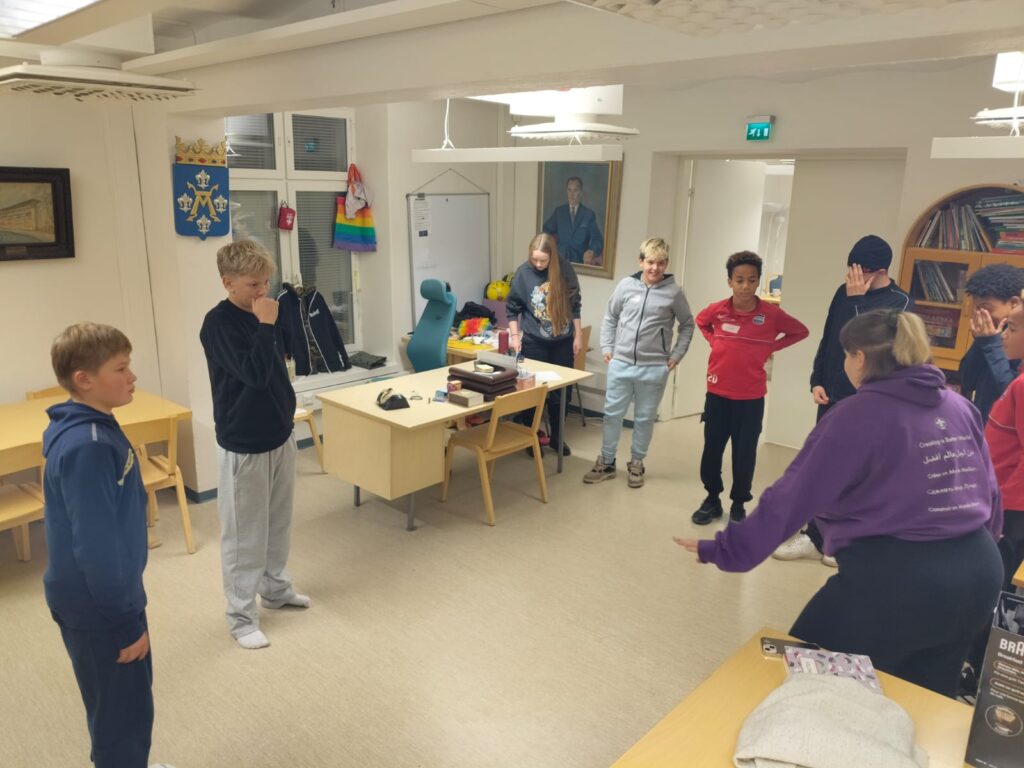
As part of the JOY IN SPORT project, TuTo launched a Captain’s School, where captains from different sports had the opportunity to get to know each other and learn what captaincy truly means, what a captain’s duties are, and how these responsibilities translate into the team’s daily life.
Being a captain is about so much more than just wearing the “C” on your chest or doing the coin toss before a game—it’s about leadership, building bridges, and shaping team culture. This type of cross-sport “VIP model” training is something special, as it allows captains from various disciplines to share their experiences. Even if the tactical nuances of each sport differ, the core principles of leading people and fostering team spirit are exactly the same regardless of the sport.
In addition to the Captain’s School, captains from different age groups within TuTo’s ice hockey and football ⚽🏒🏃♀️ sections gathered for workshops led by students from the Turku University of Applied Sciences. These workshops included various team-building activities, group work, and discussions about the role of a captain and what makes a good leader.
Feedback was gathered from the Captain’s School participants, who were asked if the program had provided them with useful tools for their role as captains. The feedback was overwhelmingly positive, with everyone feeling that more of these types of captain gatherings should be organized. In particular, regular meetups for captains across different sports were high on the wish list.
This year, captains aged 12–16 from TuTo’s football section have already met twice. Captains from other sports, as well as athletes from sports without traditional captains, were also invited to join. The goal of these events has been networking and sharing insights on different ways to maintain a strong team spirit both within individual teams and across the entire club. This process is supported by exercises from the JOY IN SPORT project, some of which utilize arts-based methods.
Track and field athletes have shown a keen interest in the “VIP model,” where different athletes take turns in their age groups to ensure that newcomers feel welcome. Three different athletes at a time take responsibility for a three-month period—alongside leading warm-ups and cool-downs—to boost team spirit and help athletes get to know each other better through team-building exercises. This gives multiple athletes the opportunity to grow into leaders and gain experience acting as a “VIP.”
🤗 Welcome newcomers
💪 Strengthen team spirit
🎯 Encourage responsibility
🌟 Give more athletes leadership opportunities
Coaches have supported and assisted the captains and athletes in these meetings, helping them plan various team-building activities.
A communication channel has also been created for the captains of different sports and those who have committed to being VIPs, allowing them to exchange ideas and seek advice in challenging situations. Moving forward, the group will meet twice a year, and new captains and VIPs are warmly welcome to join.
The experiences from TuTo’s Captain School show how small, structured approaches to shared leadership can make a meaningful difference in youth sport. By involving athletes in supporting each other and shaping team culture, coaches can strengthen engagement and belonging. The VIP model offers a simple, practical way to bring these elements into everyday coaching.